 Posted by
Pros: Great overall presentation of sound – detailed but not too bright
Excellent midrange details and layering and timbre
Extremely comfortable shells
Nature-themed faceplate looks really nice
Good unboxing
Cons: Bass is underwhelming especially sub-bass
Has competition in the price point
Cable is non modular which other sets at this price do provide
Does better with warmer sources that can inject a little low end weight
It took a while to figure what a lyrebird was. Turns out it’s a songbird that lives almost exclusively down under and actually has the ability to mimic the sound of any other bird, equipment sounds and even human voice.
Sivga has had a history of coming up with incredible sounding gear and at least some of them have bird names – nightingale, robin, egret and peacock being the others. The Lyrebird was sent by Sivga for review and I am super grateful to them for letting me have a go at this product. I have been told that my reviews should be unbiased and so it shall be.
Time to dive in!
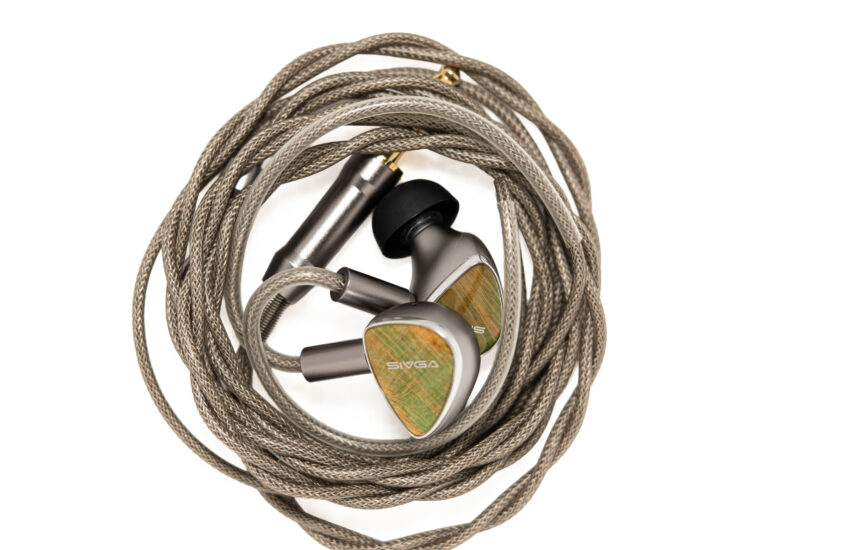
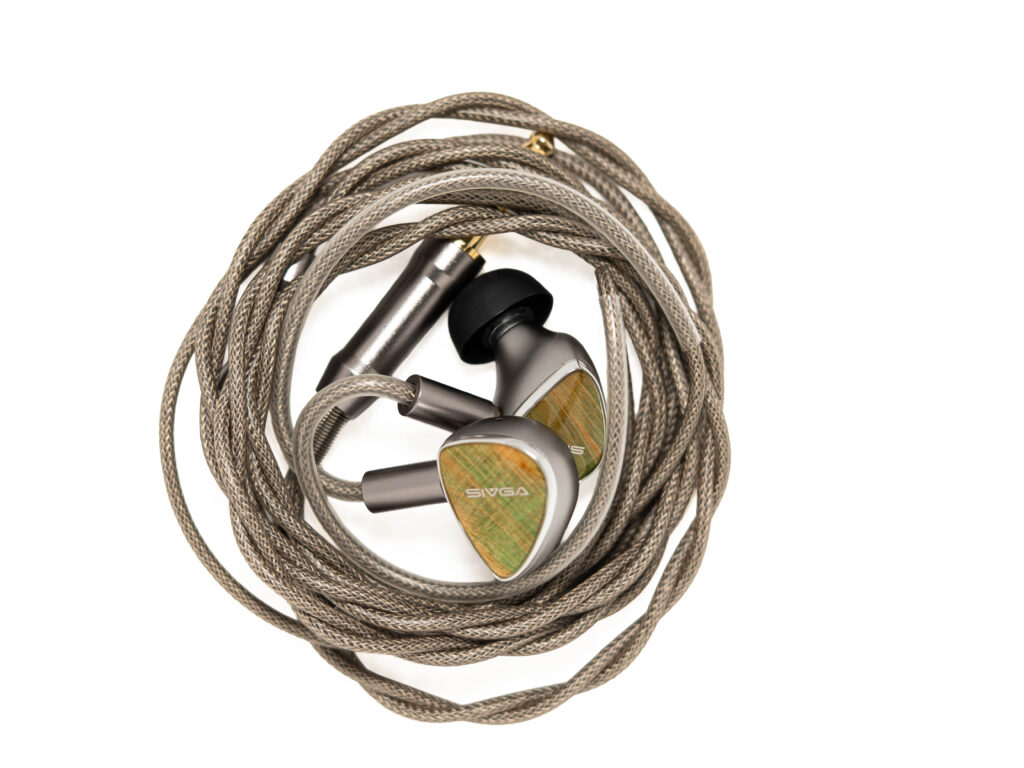
They Lyrebird is a quad driver with a 10mm polymer composite DD, a single BA, a micro planar and a 9.2mm ceramic piezoelectric driver. Just off the bat this is beginning to feel like a brighter than I would like set but this is still early. The Cable is a neat looking affair with a 30-core Furukawa OFC, 10 core SPC and 10 core enamelled gold plated silver-copper, and comes with a fixed 4.4 termination. The Lyrebird comes in a box with a nice faux leather case and a total of 7 pairs of ear tips. The set has an impedance of 14 ohms and sensitivity of 108 dB.
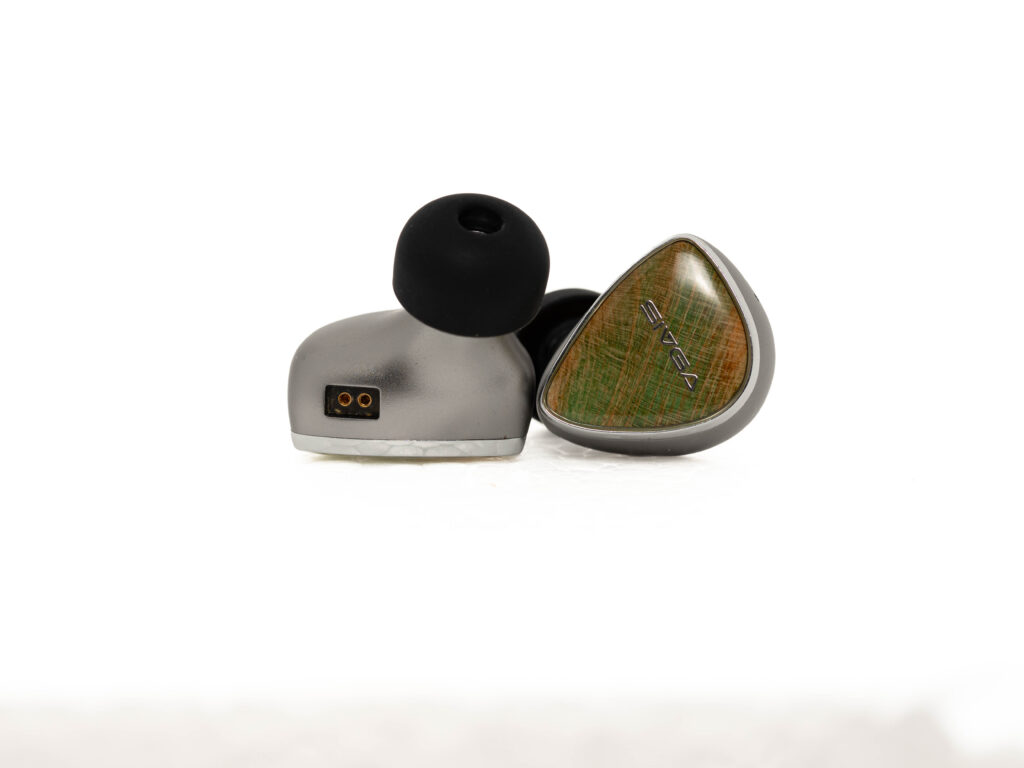
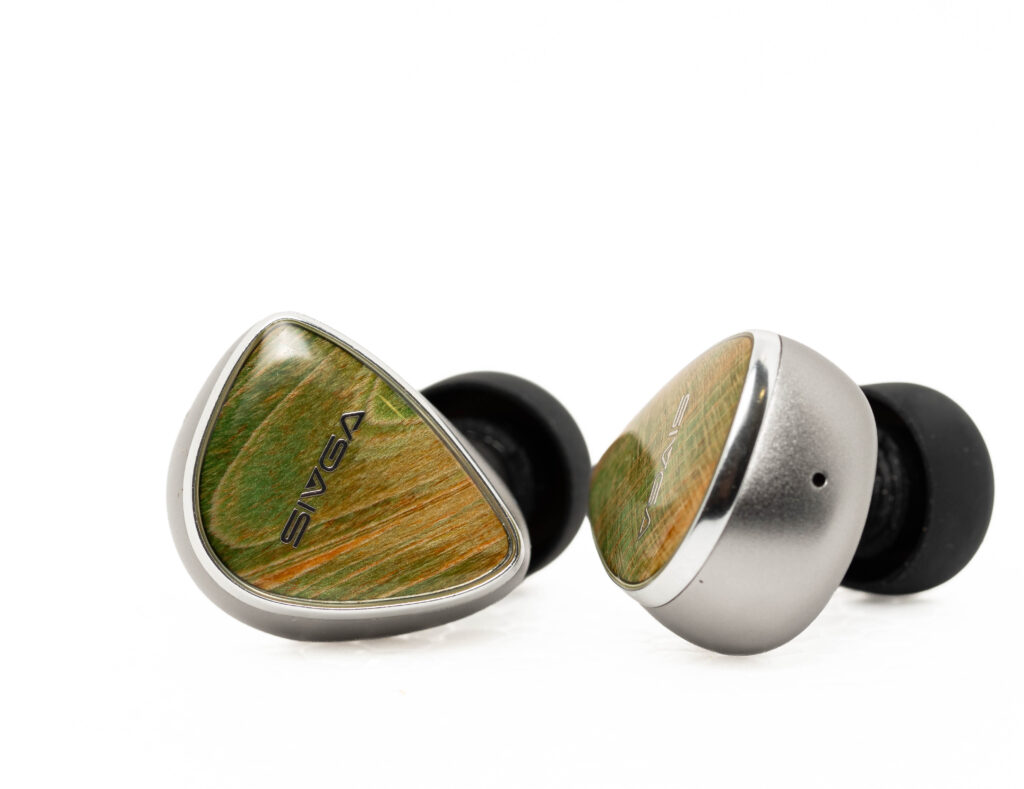
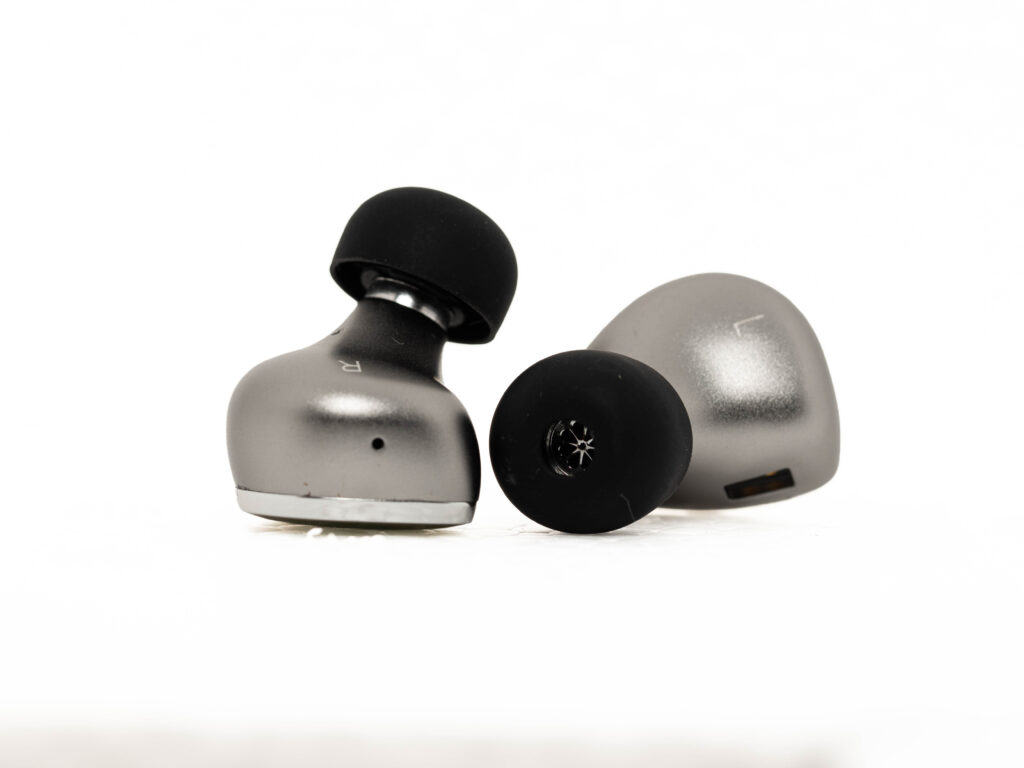
The shells are machined aluminium and look and feel comfortable with smooth surfaces with no bumps. Sivga has made it a thing to have their iems (most of them) showcase a stabilised wood faceplate and the Lyrebird is no different. While this makes every single piece unique I doubt the use of wood plays a role in the acoustic behaviour.
I took the Lyrebird on a holiday with me and was only able to test it with an AP80 Pro Max, and Velvet tips. The AP80 Pro Max btw is running an unofficial sonix port made by an amazing redditor u/BramstokerD. Local flac files and tidal via the phone using the AP80 as a dac.
TLDR – Neutral Bright tuning with a bass focused on the sound rather than the impact. Reasonably good stage and air.
Bass
The bass on the Lyrebird is best described as polite till it needs to really show its presence. On most tracks I found the bass to be present but not enough to really feel the song. That being said the control works for some genres and makes others less enjoyable. Angel by Massive Attack was actually not too bad with a decent sub bass rumble but the same was not replicated with Islands by the XX, Makeba by Jain and Moroder by Daft Punk.
In the rest of the tracks, the mid bass kicks and bass notes were present enough to make the listening session interesting but not really enjoyable. Switching genres to Jazz and Rock, the groove on Money by Pink Floyd was clearly heard but muted in a good way giving way for the rest of the track to take front and centre. The plodding bass riff also has the kick drums keeping the time and despite the controlled bass response the drum is tight and well heard. It misses the slam is more bass forward sets. That being said, if settling down for an analytical listening of Snarky Puppy, Dream Theater or Linkin Park (even!), this level of bass is great for letting the rest of the track do it’s thing.
Midrange
The Mids are well implemented with the single BA doing most of the heavy lifting. The best response though is from female vocals and instruments. Male vocals can be little less impressive possibly due to less weight from the bass register. Instruments sound quite natural without any significant BA timbre including the BA killer Playing God by Polyphia and Hanuman by Rodrigo y Gabriela. And at least 4 of the Spice Girls sound light and airy and melodious on Holler (Ginger, alas had left by then). Details in the mids appear crisp and likely enhanced by the other 2 additional drivers adding more air nuance. Layering is adequate with no muddle in the middle frequencies
Treble
The dual high end drivers make the treble a touch spicy but not to the extent that they are unbearable. There is fantastic detail retrieval and air and shimmer in the cymbals and rides across genres. With pop and nu metal, the enhanced details and treble can get fatiguing after a few tracks but for the most part, for a more detail oriented listening session, this IEM sounds engaging and focuses on the intricacies of the music without getting tiring for the most part.
Staging and Imaging
Staging on this set is moderately large. It is open and wide but the vocals appear more forward and intimate. Imaging is on point and layering and resolution is excellent even on busy tracks with the dedicated drivers for the upper end showing their worth.
Comparisons
The Lyrebird retails at about $150 with it’s DD+BA+MP+PZT (4driver, fixed cable) setup and competes with other multidriver sets in a similar range like the EPZ P40 at $160 with 2xDD+MP+PZT (modular cable, warmer sound with a little more sibilance than the Lyrebird). The EPZ P50 at around $200 has a more open sound and more details with it’s DD+2BA+2MP set up. It also has a modular cable which can be a little stiff. The Juzear Light Shuttle is a new entrant at $190 which I am yet to review in detail, but the DD+4BA+2MP and initial listening makes it feel more relaxed with less air and detail but more fun and finally the Binary 1900 with a DD+PR+4BA has maybe 10% more bass weight in the low end and a little less shimmer on the high, but at that price a fixed 3.5 or 4.4 being the only options doesn’t sit well with the way the world is headed. And there is the Binary EP321 at almost double the cost around $300 which does better in the technicalities but has a more recessed vocal presentation than this one.
Final Thoughts
This is a great neutral-bright set without spilling over into sibilant territory, most of the time. It would be a great choice for certain genres like jazz, jazz fusion and rock even. Lovers of a prominent bass should probably skip this one. I think I will keep this in my rotation for the times that I want to really pay attention to what is being played or the times I want a neutral presentation. And maybe pair this with the Gremlin or the Shanling more often than not.