 Posted by
Pros: Excellent performance across the spectrum
Comfortable for long sessions
Female Vocals are engaging and hold attention
Instrumental music shines.
Cons: Bass could be a little more present
Occasional Sibilance
Microdetails are sacrificed to an extent
When the dust settles, and as humanity we have decided that to prevent the rise of Skynet we should not stuff more drivers in the IEMs, there will only be single dynamic drivers. May be one in each tier – budget, mid-fi, and summit-fi. Ok, two, perhaps.
The faith audio e1000 will be there. With perhaps the singularity, twilight, ie600, final e5000 and one more, Atypical Raphael because it’s the most beautiful of the lot. Sure we can argue about most of the others but the first 3 will likely stay. Now thanks to Faith Audio Labs and Audio Geek India, I get to try the last of this list that I hadn’t spent enough time with till now and I am grateful for the opportunity. And I will, within the limits of my own ability, be as objective as possible.
The E1000 is Faith Audio’s cheaper IEM coming in at close to $3800. They do have an upmarket version of it, the U1000 with similar innards but much richer materials making the shell and that is about $8000. Now that we have things in perspective, let’s go!
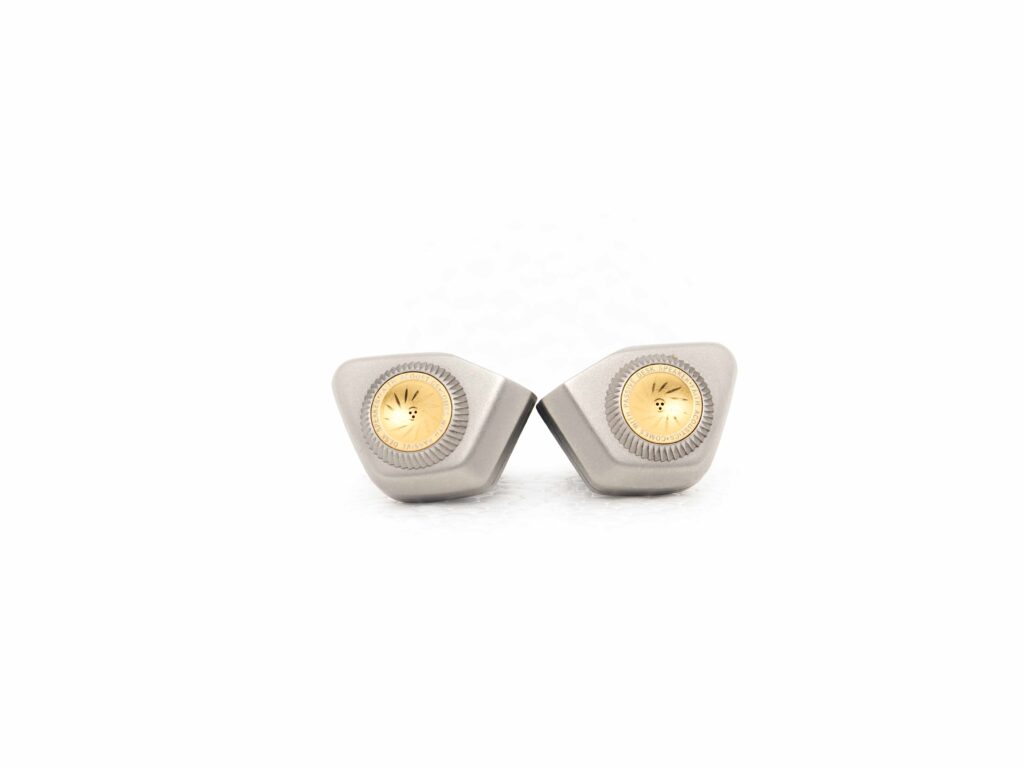
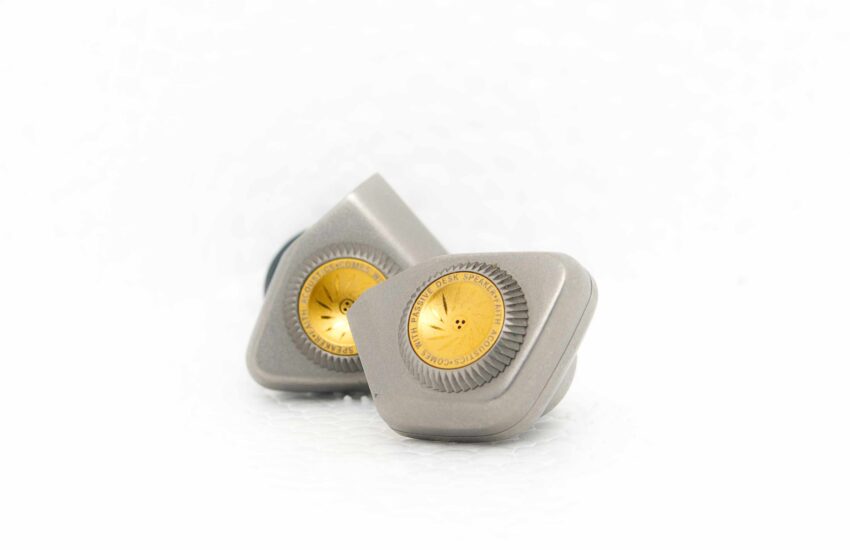
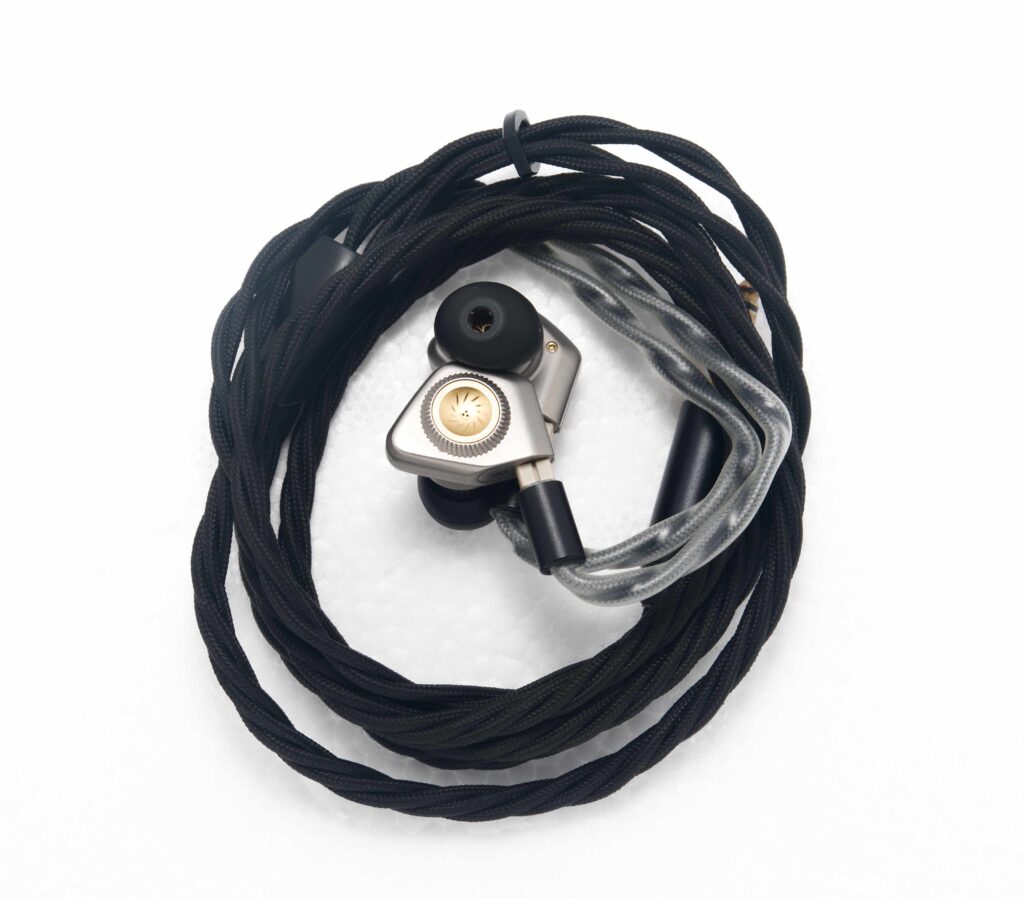
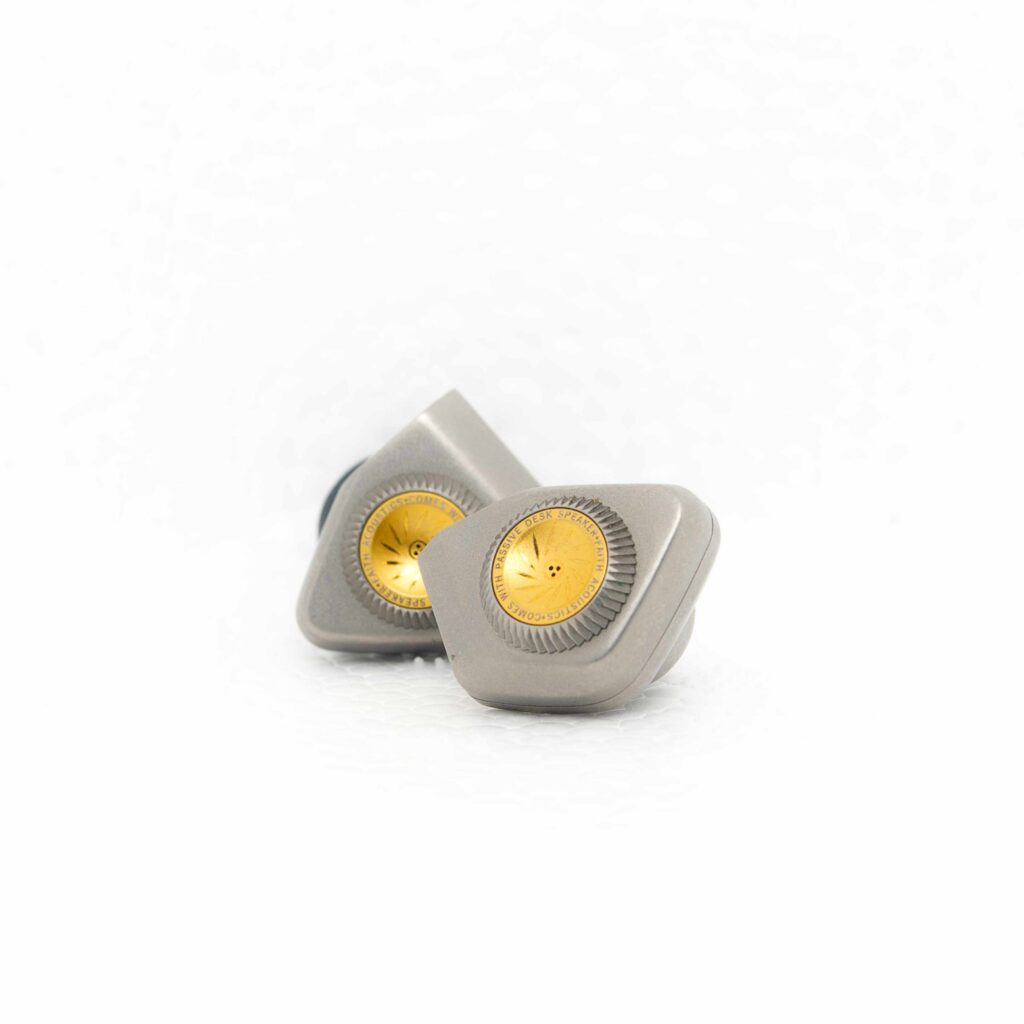
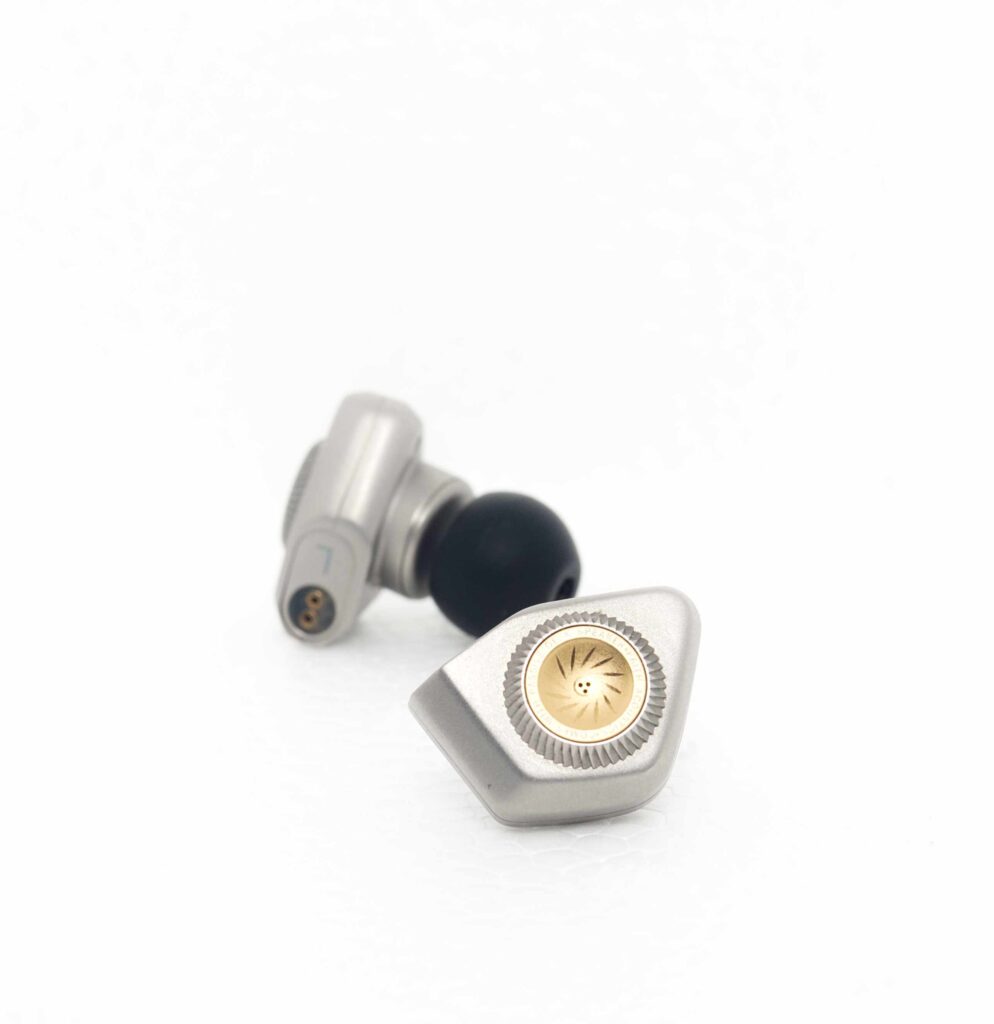
I received the shells and the cable as part of the tour so a detailed unboxing description would be mostly imaginary or ripped off the internet. Skipping past that, we have the shells. Small, supremely comfortable and made of titanium. They have a brass/gold coloured detailing on the faceplate and a similarly coloured mesh on the nozzle. The cable that comes with the IEM is a twisted nylon coated affair that can occasionally produce microphonics. But I don’t see people headed to a gym or running with this one so I think it’s not a real world issue.
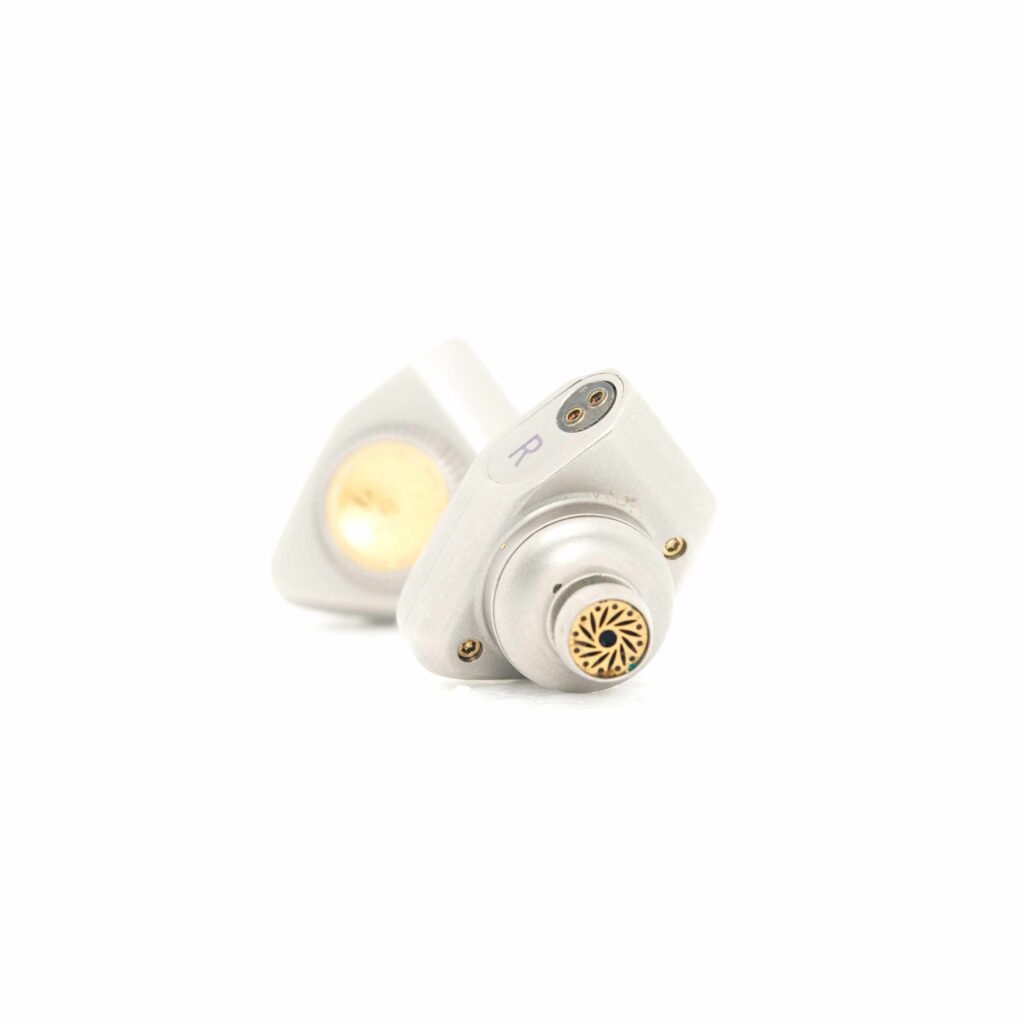
The innards of the IEM features a titanium coated diaphragm with 80 layers of titanium on each side deposited via sputtering magnetron. Visualize that. It just might be the most appropriate description of a machine and process ever. Purists may argue that the E1000 is strictly not a single driver setup since it has a passive radiator as well, but there is only one real sound source – the aforementioned titanium driver doing its thing in a 9000 Gauss field. (Who remembers high school physics and the difference between Gauss (magnetic flux density/magnetic field) and Tesla? 1 Tesla is 10,000 Gauss) We have looked at IEMs that generate up to 1.5Tesla of field in the past so technology is getting a little insane. But going back to the problem at hand – the passive radiator. Faith Audio says that this acts like a rudder for the low end. I’m not sure what that means, there’s really very little space for the sound to go anywhere (/s). In my book passive is passive so this is a single DD IEM. The Binary 1900 also has a passive radiator and had a bass response that left the listener wanting a little more punch.
The E1000 was tested with the fresh off the boat Eloit narrow bore tips and Dunu candy.
Sources used were VE Prime, VE Galvatron, Fiio M33 and Apos Gremlin/Merlin. Stock cable on a balanced output.
TLDR the single DD to beat them all in terms of resolution and musicality in the mids. The Nightjar Singularity leads on sheer bass fun and impact, this one on finesse.
Bass
The E1000 does not have a massive rumble in the sub bass. But it doesn’t mean it doesn’t have any rumble at all. It is extremely source dependent in this regard. The same track on the VE Prime, VE Galvatron and Gremlin sound different with increasing magnitude of the sub bass rumble. The rumble stays controlled however, with no spillage into the higher frequencies. Kicks are moderately punchy with a bit of a decay on Angel by Massive Attack. Swapping tracks to Anesthetize by Porcupine Tree to get a load of Gavin Harrison’s double bass drum work at about 6 minutes reveals two things. Gavin is one of the best drummers of our time and the decay on the kicks does not translate to muddiness on the bass even on tube sources. Bass guitars sound clear and articulate. This is a bass that’s not meant to impress but add to the presence in the song.
Midrange
There’s so much natural timbre in a well-tuned, well-implemented single DD, that makes me question the logic behind including sub-par BA midrange drivers that some manufacturers add which provide nothing but shoutiness and that weird timbre. The E1000 elevates the midrange experience with a slight bias towards the upper mids. On some tracks the snare can sound like they have a bite. My favorite razor – Playing God by Polyphia actually sounded pleasant on this. That being said the splash hit and the snares are quite sharp so the upper midrange/treble bias that the tuning has get spicy to those are sensitive to those frequencies. The details and layering and resolution are great for the macrodetails. Female vocals are a delight on this set. They have air and clarity and no shouty timbre. Male vocals in the baritone and tenor could do with a little more weight. Instruments across the mids are delightful to listen to.
Treble
The air and shimmer for most cymbals including the ride rhythm of Take Five by Dave Brubeck and the intro crash of Dreams by Fleetwood Mac are clear and present and not dangerous. There is sibilance on tracks like Human Nature by Michael Jackson and of course Under Pressure by Queen and David Bowie. But I am famously harsh-sibilance sensitive and while the E1000 reproduces the treble highs in tracks it doesn’t necessarily add to them. I may also be spoiled by the MEMS driver but I think microdetails could be better.
Stage and Imaging
The Faith Audio E1000 has a good soundstage which is wide and tall. It is not cavernously massive but a good wide stage with little congestion. Imaging is also accurate with adequate layering between individual components to make the music sound expansive yet coherent. Western Classical music sounds fairly wholesome on this set though it is honestly best with open back headphones or a really good speaker system.
Final thoughts
This is a great set and will likely top the list of single DD iems for a while and honestly as a fan of them (I have in my possession or have owned in the past all the ones mentioned and a few more – Dunu Kima 2, for example) It is heartening to see manufactures push that limit a bit more. From a technical stand point I see the pull and draw of this IEM. I do like a little more low end to my music especially for the genres I listen to. I’m sure EQing this set to tame the occasional spike in treble and encourage some bass will make it a keeper but I’m lazy.